Trump Waives Russia Energy Sanctions as Ukraine Ties Fracture Amid Economic Pressures
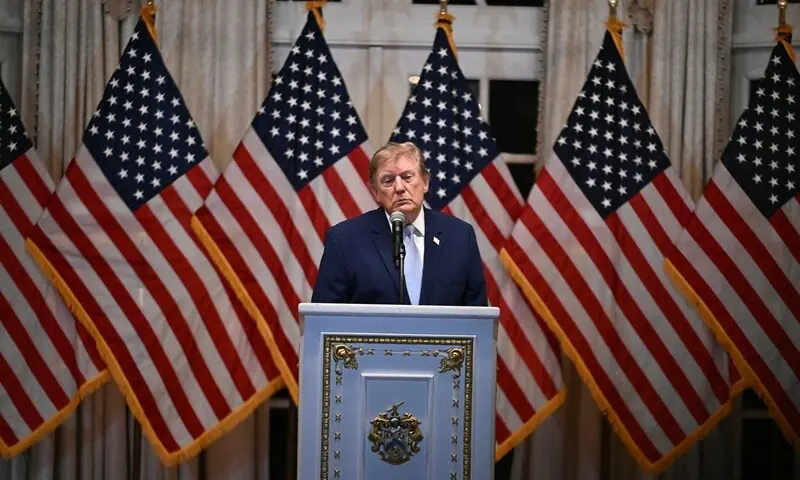
President Donald Trump has signed an executive order waiving sweeping United States sanctions and tariffs targeting Russia’s energy revenues, marking a profound inflection point in Washington’s relations with war-torn Ukraine. The decision, executed on Friday, directly circumvents the legislative intent of the Lindsey Graham Act, which granted the White House broad authorities to impose duties of up to 100 percent on major global buyers of Russian oil and gas. Trump’s reversal arrives at a critical juncture for the transatlantic alliance, exposing deep fractures between US domestic political pressures and the existential security requirements of Kyiv ahead of a brutal winter.
The policy pivot is intrinsically linked to acute domestic economic vulnerabilities in the United States. A concurrent military campaign in Iran has crippled regional oil supplies, triggering severe energy shortages and sharp price spikes that threaten to undermine the Republican Party's standing ahead of upcoming midterm elections. By striking a deal with Russian President Vladimir Putin to ease energy sanctions in exchange for Moscow releasing substantial volumes of diesel into global markets, the White House prioritized domestic inflation management over geopolitical containment. Ukrainian President Volodymyr Zelensky, facing mounting security crises and diplomatic isolation from Washington, has turned decisively toward European capitals to secure the funding necessary to sustain his country’s defensive operations.
Key Developments & Policy Breakdown - Sanctions Reversal: President Trump signed an executive order waiving broad US sanctions and tariffs targeting Russia's energy revenues, effectively neutralizing the enforcement mechanisms of the Lindsey Graham Act passed just last month. - The Trade-Off: The executive action was precipitated by an arrangement with Vladimir Putin to inject large amounts of Russian diesel into global markets, counteracting severe domestic fuel shortages and price spikes stemming from the US conflict in Iran. - Zelensky's Financial Appeal: In response to diminishing US backing, President Zelensky traveled to Brussels to urge European Union leaders to commit nearly $80 billion (70 billion euros) in additional funding for the upcoming year. - Diplomatic Friction: The breakdown in bilateral ties was further exacerbated when Trump publicly branded Kyiv’s military actions a "disgrace" following Ukrainian strikes on strategic Russian oil refineries. - Battlefield Complications: Ukrainian defensive operations have faced persistent technical disruptions in critical US-provided satellite communication systems managed by SpaceX, heightening operational vulnerabilities against sustained Russian bombardments.
In-Depth Analysis & Real-World Impact
The abrupt suspension of Russian energy sanctions demonstrates the primacy of domestic macroeconomic imperatives over long-term foreign policy alignment. For the White House, soaring fuel prices at domestic pumps present an immediate electoral liability that outweighs the strategic containment of Moscow. By permitting Russian diesel back into global circulation, the administration successfully dampened inflationary pressures at home, yet it did so at the profound expense of Western coalition cohesion. This maneuver signals to international actors that US foreign policy commitments remain highly contingent on short-term political cycles and domestic economic stability.
For Ukraine, the timing of this policy shift could not be more perilous. The country's energy infrastructure faces relentless aerial attacks, with recent strikes in southern regions like Kherson and Zaporizhzhia resulting in civilian casualties and compounding infrastructural damage ahead of winter temperatures plunging to minus 20 degrees Celsius. Furthermore, reports of disruptions to critical battlefield communication technologies—specifically SpaceX’s satellite networks—have introduced severe tactical friction into Kyiv’s defense lines. As Washington distances itself from operational coordination, the financial and military burden of sustaining the Ukrainian state falls almost exclusively onto European capitals, testing the fiscal limits and political resolve of the European Union.
Background, Preceding Events & Historical Context
The friction between Washington and Kyiv represents the culmination of escalating tensions that have built steadily since the implementation of the Lindsey Graham Act. Named after the late US senator, the legislation was originally framed as a maximum-pressure campaign designed to choke off Moscow’s war chest by penalizing international purchasers of Russian hydrocarbons and targeting the Kremlin’s shadow fleet of evasion tankers. However, the unexpected escalation in the Middle East fundamentally altered the administration’s calculus, transforming energy security from a foreign policy weapon into an acute domestic vulnerability.
Historically, the transatlantic response to the conflict had maintained a unified front, anchored by robust US intelligence sharing, financial appropriations, and technological integration. The rapid unraveling of this consensus underscores the fragility of coalition warfare when domestic economic grievances collide with protracted foreign entanglements. Previous diplomatic friction over military rules of engagement—particularly Washington's resistance to Ukrainian strikes on domestic Russian energy infrastructure—has now boiled over into open public recriminations, permanently altering the strategic architecture of the conflict.
“"This is no time to withdraw the support to Ukraine. This is no time to relieve Russia’s sanctions. Now it is time to increase our support, to increase our pressure." — European Council Chief Antonio Costa”
Strategic Outlook & What to Watch Next
In the immediate term, attention shifts to Brussels, where European leaders must evaluate Zelensky’s formal request for an additional 70 billion euros in 2025 alongside supplementary Patriot missile defense systems. While top officials such as European Commission President Ursula von der Leyen acknowledge that this funding gap must be bridged, member states remain deeply divided on the financing mechanism. Proposals to mobilize approximately 200 billion euros in frozen Russian central bank assets face severe legal and political resistance, particularly from Belgium, where the majority of these sovereign funds are custodied.
Observers must monitor several critical indicators in the coming weeks: the legislative debate within the European Council regarding alternative debt-pooling or national contribution models; potential shifts in the operational reliability of battlefield communication networks; and the domestic political fallout of the US midterm elections, which will dictate whether the White House adopts an even more isolationist foreign policy posture. As winter sets in, the resilience of Ukraine’s remaining power grid and the steadfastness of its European financial backers will determine the viability of the state's continued resistance against Moscow.
Quik News synthesizes verified facts across international press reporting. Original reporting belongs to the attributed outlets above.