Rejections Rise in US Afrikaner Refugee Program Amid Vetting Discrepancies
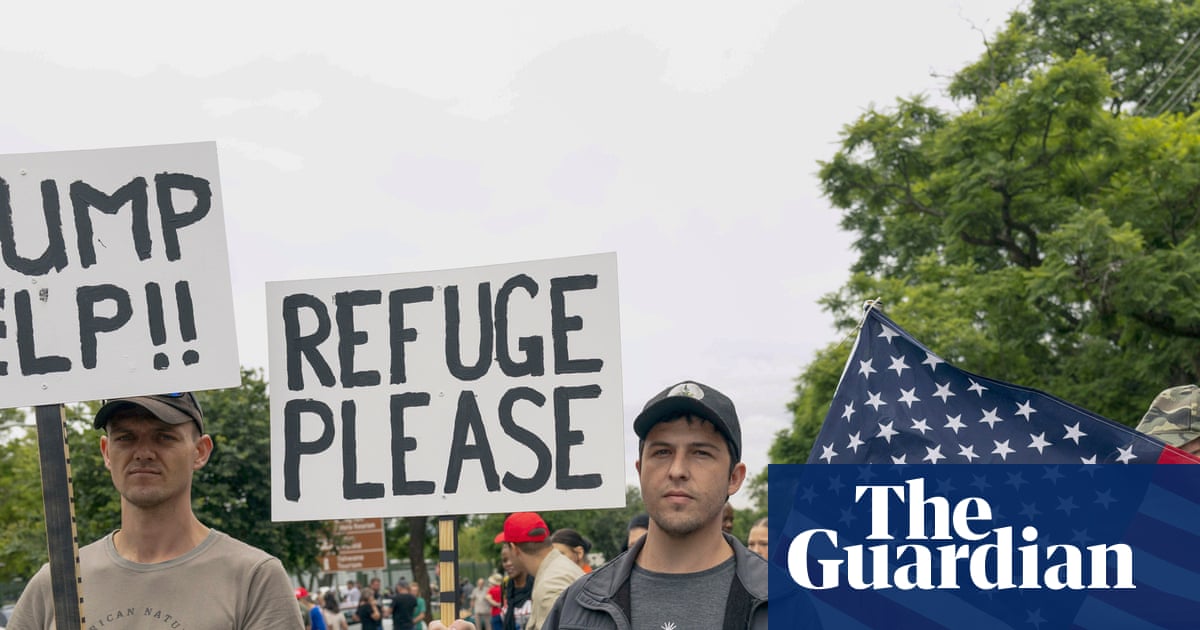
A high-profile policy granting white South Africans preferential refugee status in the United States is running into significant operational hurdles, as a rising number of applicants face sudden and unappealable rejections. Initiated under a February 2025 executive order signed by President Donald Trump, the resettlement effort focused specifically on Afrikaners claiming systemic racial persecution and "white genocide." While the program enabled thousands to relocate, strict statutory background checks are now creating severe friction for those seeking entry.
Data from the U.S. State Department reveals that more than 13,000 Afrikaners have settled in the United States since the initial cohort of 68 refugees landed in May 2025. Admissions gained speed in late summer, with over 2,600 individuals entering during August alone. To make way for this specific group, the administration effectively halted standard U.S. refugee processing for thousands of individuals escaping active war zones and armed conflicts across the globe.
Despite the rapid pace of arrivals, dozens of applicants are receiving final rejection notices from U.S. Citizenship and Immigration Services (USCIS). The disqualifications have thrown families into sudden economic distress. Expecting approval based on early processing steps, many applicants sold their farms, homes, and personal possessions before learning that past legal infractions, security guard duties during post-apartheid unrest, or administrative filing errors had permanently disqualified them from resettlement.
Key Developments & Policy Breakdown
- Mass Admissions: Over 13,000 Afrikaner refugees have entered the United States since May 2025, with monthly intake figures reaching 2,600 in August.
- Refugee Reallocation: A February 2025 executive order redirected U.S. Refugee Admissions Program resources toward South Africa's white minority while suspending conventional refugee processing for populations fleeing active military conflicts elsewhere.
- Irrevocable Determinations: USCIS rejection notices explicitly inform applicants that decisions cannot be appealed, citing statutory grounds such as "moral turpitude" and participation in extrajudicial acts of violence.
- Economic Realities: Official South African economic data shows black unemployment standing at approximately 38%, compared to 9% among white citizens, underscoring broader disparities that contradict allegations of white economic disenfranchisement.
- Crime Metrics: Government and independent crime data in South Africa show farm violence affects rural populations across racial lines, standing in contrast to assertions of targeted racial extermination.
In-Depth Analysis & Real-World Impact
The administrative turnabout has inflicted severe financial damage on families who acted prematurely on executive announcements. Operating on preliminary approvals, several applicants liquidated their real estate, vehicles, and livestock in South Africa. Because USCIS evaluates every application against standard immigration laws—which bar individuals with past criminal convictions or histories of violent conduct—many prospective refugees are finding that political assurances from the executive branch do not supersede federal vetting statutes.
Diplomatically, the policy continues to strain ties between Washington and Pretoria. South African President Cyril Ramaphosa's administration has repeatedly pushed back against claims of state-sanctioned anti-white persecution, presenting economic and crime data to international partners. By creating a preferential asylum channel based on disputed narratives, the policy has altered regional diplomatic dynamics while saddling U.S. immigration agencies with complex background checks spanning decades of South Africa's post-apartheid security history.
Background, Preceding Events & Historical Context
Afrikaners, descended primarily from Dutch and French settlers who arrived in Southern Africa during the 17th century, held exclusive political control during the apartheid regime, which systematically suppressed the black majority until 1994. Following the transition to constitutional democracy, the South African government introduced Black Economic Empowerment policies and affirmative action programs aimed at reducing wealth inequality. While these efforts constructed a growing black middle class, deep structural inequities remain across the country.
In recent years, right-wing advocacy groups focused on high-profile attacks against rural farm owners, framing the violence as evidence of a coordinated effort to eliminate white landholders. Although national crime statistics consistently demonstrate that high violent crime rates affect all South Africans regardless of race, these assertions found strong support among conservative political figures in the United States, ultimately driving the shift in U.S. refugee priorities in early 2025.
“"The collision between high-level political directives and statutory background checks has left families caught between sold assets and unappealable rejections."”
Strategic Outlook & What to Watch Next
In the coming months, immigration legal experts anticipate potential challenges surrounding the handling of administrative records and Freedom of Information Act disclosures. Because USCIS decisions under the refugee program carry no right of appeal, rejected applicants are left with virtually no legal mechanisms to challenge technical errors or translation misinterpretations made during agency interviews, leaving dozens stranded without assets or valid travel documentation.
On the broader policy front, human rights observers and congressional oversight committees are closely monitoring the administrative burden created by the program. As background check disqualifications mount, analysts will evaluate whether high rejection rates trigger adjustments to processing guidelines or if federal agencies will maintain strict statutory exclusions despite political pressure to maintain refugee entry quotas.
Quik News synthesizes verified facts across international press reporting. Original reporting belongs to the attributed outlets above.