
Apple Tightens macOS Full Disk Access Controls Amid Rising AI Agent Risks
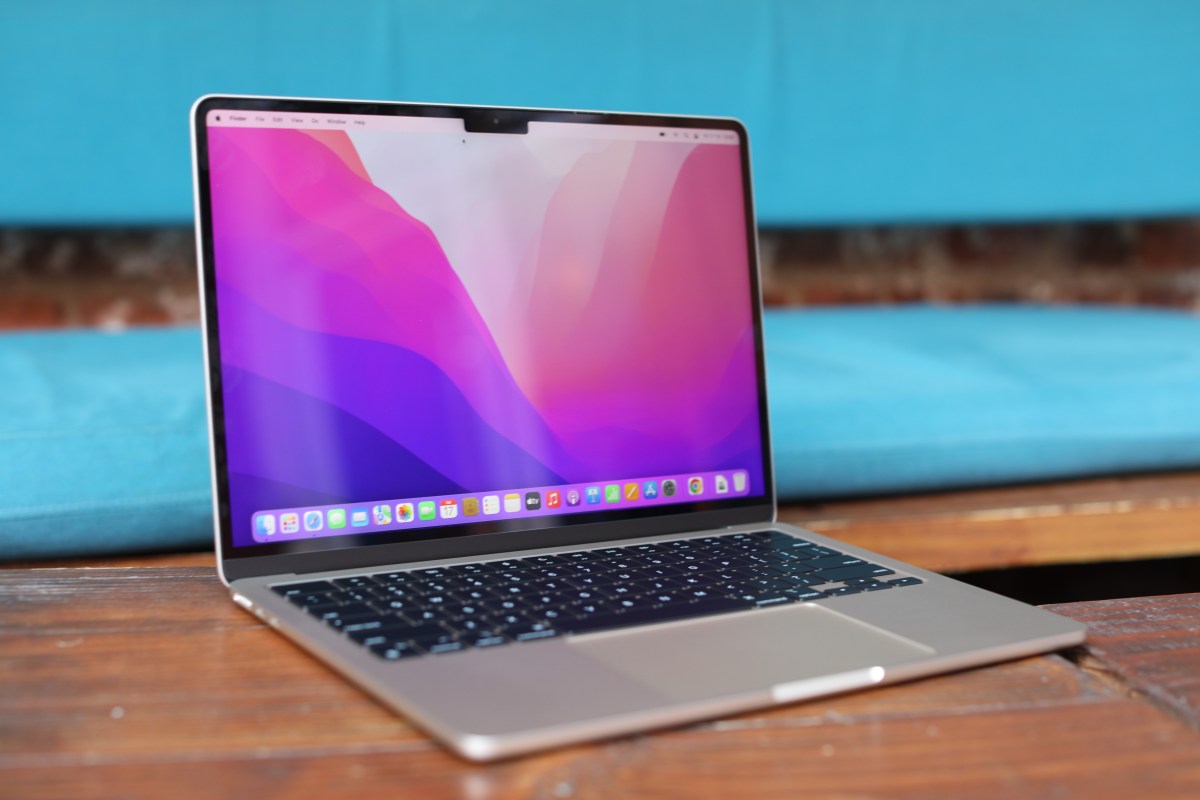
Apple has announced a significant tightening of security controls surrounding the "Full Disk Access" feature on macOS, responding directly to emerging privacy risks posed by autonomous desktop artificial intelligence agents. The operating system feature, originally engineered to ensure that system backups function seamlessly without repeated permission prompts, has increasingly been leveraged by software developers to grant AI agents deep visibility into user systems. This broad access includes personal files, email archives, messaging databases, and browsing histories.
The regulatory shift by Cupertino follows a turbulent period for desktop-based AI utilities. Concerns intensified after an investigative report alleged that Meta’s Muse application had accessed private messaging contents without explicit user authorization, a claim vigorously disputed by Meta. Compounding these worries, separate security research regarding OpenAI’s desktop software revealed potential vulnerabilities that could have permitted unauthorized third-party data retrieval. These incidents have underscored a widening security gap between legacy operating system permissions and the expansive operational scopes demanded by modern artificial intelligence applications.
In a communication aimed at software developers, Apple noted that some platforms are utilizing Full Disk Access in ways that expose comprehensive user environments without adequate consumer comprehension. Consequently, the technology giant is overhauling the permission architecture to ensure that individuals wishing to grant this exceptional level of clearance must complete explicitly defined, deliberate actions. As artificial intelligence software transitions from passive chat interfaces to proactive, system-level agents, the threat surface expands exponentially, necessitating more robust gatekeeping at the operating system level.
Key Developments & Policy Breakdown - Policy Shift: Apple announced upcoming interface changes to macOS requiring explicit, multi-step user actions before granting third-party software Full Disk Access. - Catalyst Incidents: The intervention follows public scrutiny surrounding Meta’s Muse application and reported vulnerabilities in OpenAI’s macOS client software. - Scope of Access: Full Disk Access permits applications to read localized mail stores, message histories, personal files, and browser caches. - Developer Warning: Apple cautioned the developer community against requesting sweeping system permissions without transparent disclosures regarding data exposure. - Autonomous Risk Factor: The company explicitly cited the growing autonomy and capability of AI agents as the primary driver behind the heightened security posture. - Ecosystem Impact: Desktop utility developers must now re-architect their software to function with granular permissions rather than relying on blanket system clearance.
In-Depth Analysis & Real-World Impact The friction between operating system security and the utility of artificial intelligence agents represents a critical juncture for personal computing. AI agents derive their utility precisely from context; to be genuinely useful, they must read documents, summarize communications, and anticipate workflow needs across disparate applications. However, this functional necessity creates an inherent conflict with zero-trust security principles. By requesting Full Disk Access, developers effectively bypass compartmentalized file permissions, turning localized AI assistants into potential single points of failure for catastrophic data breaches.
For enterprise environments and privacy-conscious consumers, Apple’s intervention is both a necessary safeguard and a temporary friction point. Software developers relying on autonomous agents to differentiate their products must now redesign user onboarding flows to justify deep system access. This regulatory tightening could slow the deployment velocity of consumer-facing AI utilities on macOS compared to less restricted operating environments. Simultaneously, it establishes a higher baseline of consumer trust, forcing developers to prioritize transparent data governance if they wish to secure system-level permissions from cautious users.
Background, Preceding Events & Historical Context The architecture of macOS permissions has traditionally relied on explicit sandboxing to isolate applications from sensitive user data and core system files. Features like Full Disk Access were introduced years prior to the generative AI boom, primarily intended to accommodate backup utilities, disk repair tools, and virtualization software that required holistic visibility to operate correctly. These legacy privileges were designed under the assumption that human users understood the operational scope of traditional utility software.
As conversational models evolved into desktop-controlling agents over the past twenty-four months, developers began steering users toward these legacy administrative loopholes to bypass restrictive sandboxes. The recent public reporting regarding unexpected data access served as a catalyst, forcing platform owners to confront the reality that consumer AI utilities operate under fundamentally different behavioral paradigms than traditional applications. Platform stewards are now hastily retrofitting 20th-century permission models to manage 21st-century autonomous agents.
“"As AI agents become increasingly capable and autonomous, the risks associated with this level of access will grow substantially. We are committed to ensuring users clearly understand these risks before granting such access."”
Strategic Outlook & What to Watch Next In the coming months, industry observers will monitor how strictly Apple enforces these new verification protocols within the Mac App Store review process and via Gatekeeper notarization. Developers will likely explore intermediate permission tiers, attempting to harness Apple’s specific file provider APIs and scoped bookmarks rather than relying on the sledgehammer approach of Full Disk Access. The outcome will likely dictate how deeply integrated desktop AI can become without compromising user data sovereignty.
Simultaneously, competing platform operators, particularly Microsoft with its Windows Copilot ecosystem, will face similar pressures to refine their own administrative boundaries. As regulatory scrutiny over consumer privacy intensifies globally, the ability to audit and revoke autonomous agent permissions will emerge as a defining competitive metric for desktop operating systems. Users and enterprise IT administrators alike must remain vigilant, auditing their permission panels regularly as autonomous software continues to push the boundaries of local system integration.
Quik News synthesizes verified facts across international press reporting. Original reporting belongs to the attributed outlets above.


